If you are looking for an adventure in Kenya, consider booking a trip to Lake Turkana. Africa’s fifth largest lake is home to more than 40 species of fish and 22,000 Nile crocodiles. These animals provide the source of life for some of the country’s most remote tribes. Read on to learn more about Lake Turkana Safari. After reading this article, you will be well-equipped to plan your own trip to this beautiful lake.
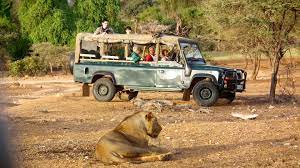
Lake Turkana is Africa’s fifth-largest lake
Lake Turkana is one of the largest lakes in the eastern portion of the Rift Valley. The lake lies at an altitude of 365 m above sea level in northwestern Kenya, with its northernmost end in Ethiopia. The only perennial tributary of the lake is the Omo River, which drains the southwest Ethiopian Massif and flows through the Rift Valley. Its water temperature is approximately 25 degrees Celsius year-round, making it one of the lowest lakes in Africa.
The lake has a rich supply of fish. Many species of fish live in the lake, including the Nile perch, tigerfish, richer, crocodiles, and hippopotamuses. Other wildlife commonly seen on the lake shores include kingfishers and crocodiles. Nearby desert scrub is home to novelist pastoralists and is also a major breeding ground for venomous snakes, including red-spitting cobras and carpet vipers.
It is home to 22,000 Nile crocodiles
While most people have heard of the dangerous reputation of Nile crocodiles, it is actually quite rare to see one. This predatory snake lives in an area very close to humans and is capable of striking at people without warning. The crocodile is a large predator that attacks humans for a variety of reasons. It can eat anything from a villager washing their clothes to migrating wildebeest. This species grows up to 20 feet long and weighs approximately 1,650 pounds. Its habitat is primarily in sub-Saharan Africa, mangrove swamps, and the Nile Basin.
Its population is under threat of extinction, partly because of human habitat destruction and partly due to global warming. In addition to direct habitat destruction, human-made irrigation of wetlands in the area has caused the retraction of wetlands. Because of this, Nile crocodiles are now threatened in Israel and Tunisia. Highly saline water has been pumped into Lake St. Lucia.
It is home to more than 40 species of fish
The distinctive jade green color of Lake Turkana is due to the presence of cyanobacteria, blue-green algae that are key to the productive fisheries that can be found here. Because Lake Turkana is nutrient-limited, the concentration of chlorophyll depends on the amount of freshwater input from the Omo River. These waters carry vital nutrients into the lake, resulting in seasonal phytoplankton blooms.
The changes in lake salinity will affect these fishes in a variety of ways. Some species, like the tilapia, have adapted to their changing environment, and others have not. Because the Omo River is the largest source of fresh water for the lake, the decreased inflow could lead to nutrient depletion and reduced food availability. Moreover, a reduced inflow would also alter the breeding habitat of many fishes in the lake.
It is a source of life for some of Kenya’s most remote tribes
Lake Turkana has been designated a World Heritage site by the World Heritage Committee. Many of Kenya’s most isolated tribes live here, including the El Molo, whose numbers have decreased due to cultural absorption and intermarriage. This is one of the last remaining true hunter-gatherer communities in the world. The El Molo, who speaks a language related to Dassanech, lives in circular reed huts. Stunning scenery, fishing boats, and interesting animals are all found in Lake Turkana.
The Samburu are the most northerly of Kenya’s tribes. They call themselves “Loikop” or “territory” and live primarily off the products of their herds. Milk, blood, and maize are the staple foods, and they earn money from selling cattle to purchase agricultural products. The Samburu are polygamous, and their elders play a vital role in their societies. They determine who can marry whom and how many wives each member is allowed.
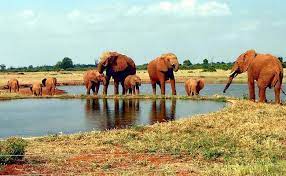
It is a popular destination for thrill seekers
The Turkana Lake, which forms part of Kenya’s national power grid, is a stunning sight. The lake is also home to the world’s largest crocodile population. It is also close to a number of national parks, including Samburu, Buffalo Springs, and Shaba, the site of the movie Born Free. While you’re in the region, you can experience the culture of the local community and participate in various traditional and cultural activities.
If you’re looking for an unforgettable wildlife adventure, consider visiting Lake Turkana. This remote region of Kenya offers unparalleled wildlife viewing. In addition to a variety of wildlife, you can explore archaeological treasures and amazing cultures, which are located along the east shore of the lake. You can choose from a range of activities, including guided walks, boat safaris, and helicopter safaris. You can also spend the night at a local camp, which provides both basic accommodations and campsites.
 Lake Turkana Safari